


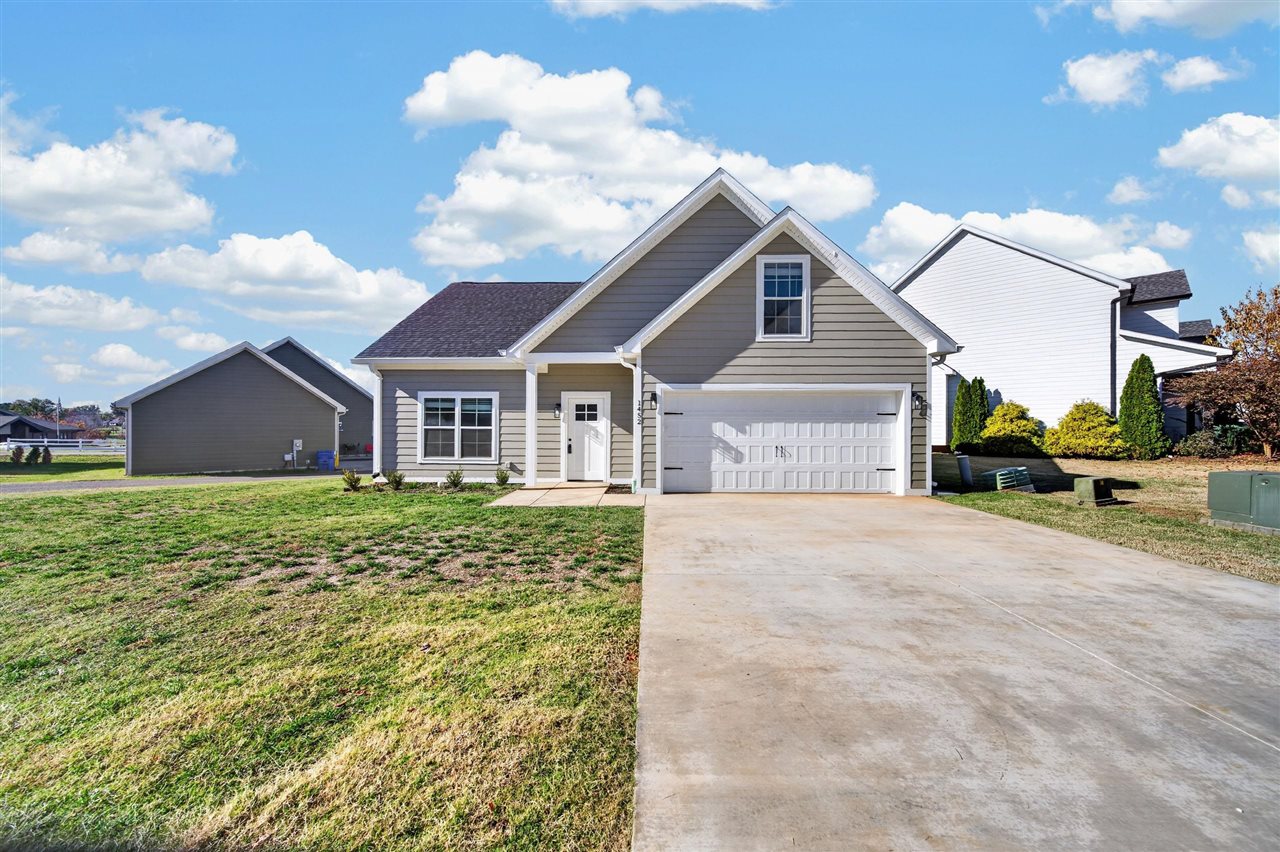
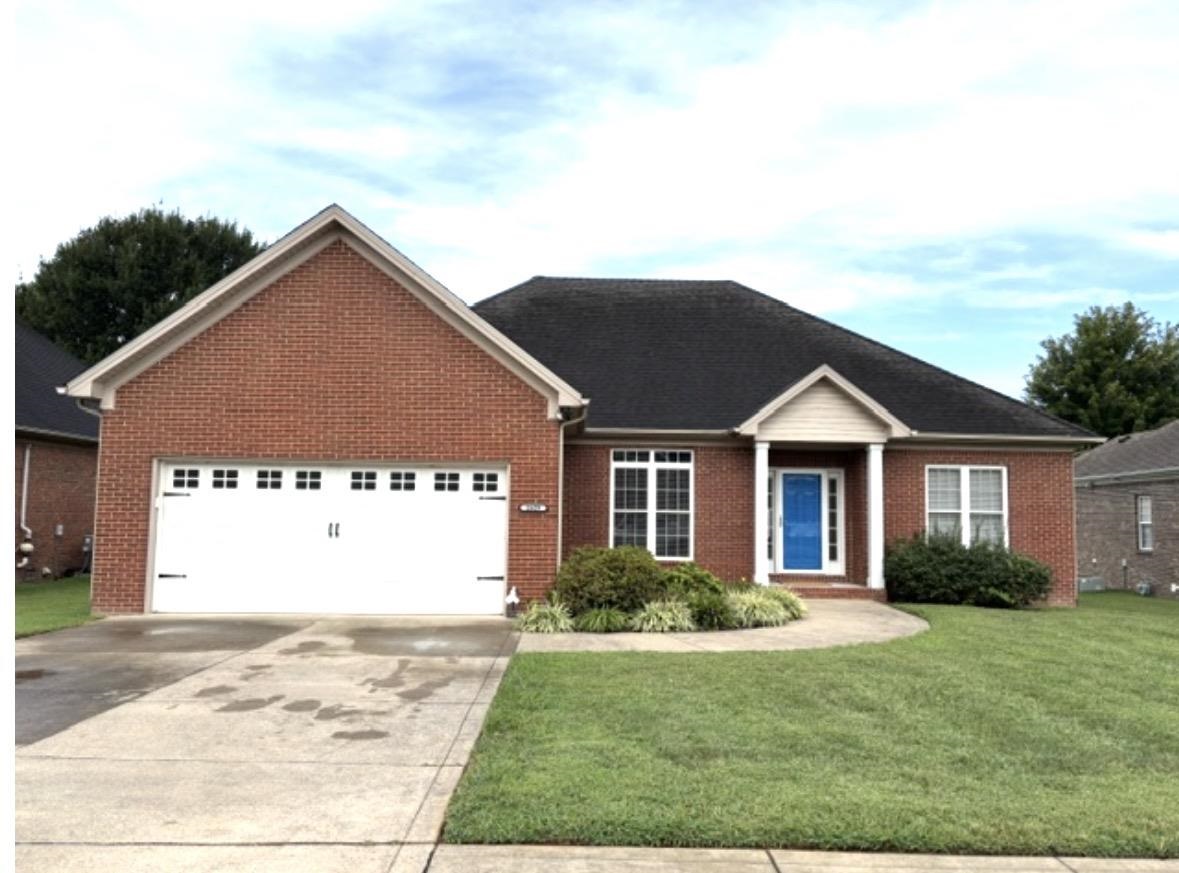
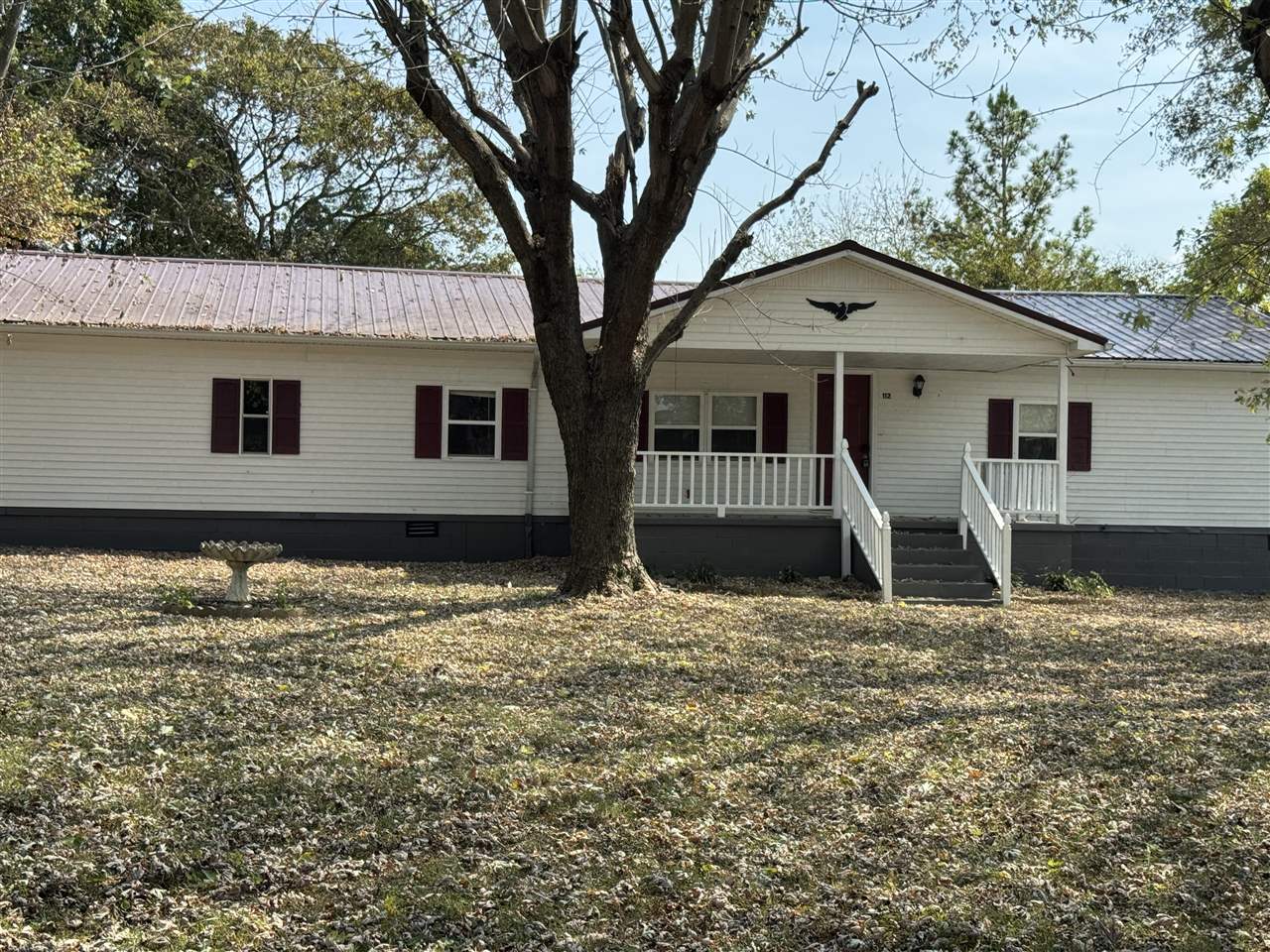
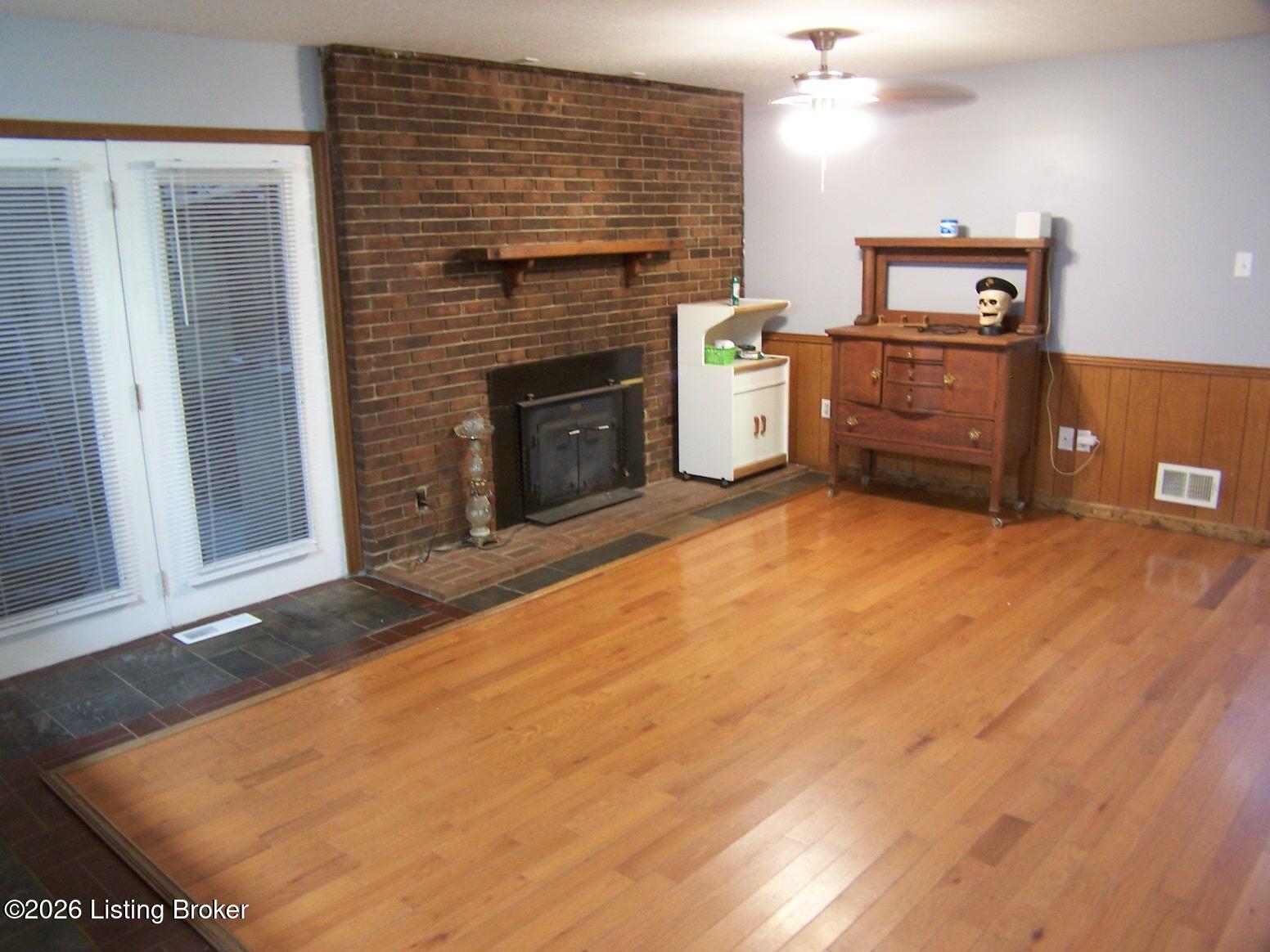
First-Time Homebuyer Tips for Middle Tennessee & South Central Kentucky: What Actually Matters Right Now

If you're buying your first home anywhere from Nashville to Bowling Green, you've probably already read ten “first-time buyer checklists” that all say the same five things: save money, get pre-approved, don't buy a car before closing. True, but not especially useful.
What actually trips up first-time buyers in this market right now is more specific than that — it's rate confusion, down payment myths, and not knowing which local programs exist to help. So let's go through what's actually relevant to buying in Middle Tennessee or South Central Kentucky today, not generic advice that could apply to any buyer in any city in any year.
Where rates actually stand right now
Thirty-year conventional rates have been sitting in the high-6% to low-7% range this fall, with FHA and VA loans running a bit lower, usually in the mid-6s. That's not the 3% world from a few years back, and it's probably not going back there. But it's also not the ceiling — rates have eased some since the summer, and most of the lenders I work with expect more room to move down over the next year.
Here's the part nobody tells first-time buyers: you don't marry your rate. If you buy now and rates drop meaningfully in a year or two, you refinance. Waiting on the sidelines for a “perfect” rate means competing with more buyers later and paying more for the same house, because prices rarely wait around for rates to cooperate.
Get pre-approved with someone who actually knows this market
Not all pre-approvals are equal. A call-center lender who's never closed a loan in Warren County, Kentucky, or Williamson County, Tennessee, isn't going to know which local down payment programs you qualify for or how appraisals are running in your target neighborhood.
I send most of my first-time buyers to Carrie Ann Cyr at CMG Financial, because she actually knows the programs below inside and out and she's fast about it. Getting pre-approved with a local lender before you fall in love with a house saves you from the heartbreak of losing it because financing took two extra weeks.
The 20% down payment myth
This is the one that stops more first-time buyers than anything else: thinking you need 20% down before you can even start looking. You don't.
FHA loans only require 3.5% down with a credit score of 580 or higher. Conventional loans through programs like Fannie Mae's HomeReady or Freddie Mac's Home Possible can go as low as 3%. And both Tennessee and Kentucky have their own assistance programs on top of that:
In Tennessee, the Tennessee Housing Development Agency's Great Choice Home Loan program pairs a below-market fixed-rate mortgage with Great Choice Plus — a second loan that helps with your down payment and closing costs. Depending on which option you choose, you could qualify for several thousand dollars in assistance, and in some cases it's structured so you make no separate payments on it. You'll need a credit score of at least 640 and to complete a homebuyer education class, but that class is worth it even if you didn't technically need it.
In Kentucky, the Kentucky Housing Corporation's Down Payment Assistance Program now offers up to $12,500 toward your down payment and closing costs as a second loan, paired with a KHC first mortgage. It's not a grant — you'll pay it back over time — but it can be the difference between buying this year and waiting three more years to save up on your own.
Neither of these programs is widely advertised by big banks, because big banks don't make as much money helping you use them. That's exactly why a local, THDA- and KHC-approved lender matters so much more than whoever has the flashiest rate ad on TV.
What “median home price” actually means for you
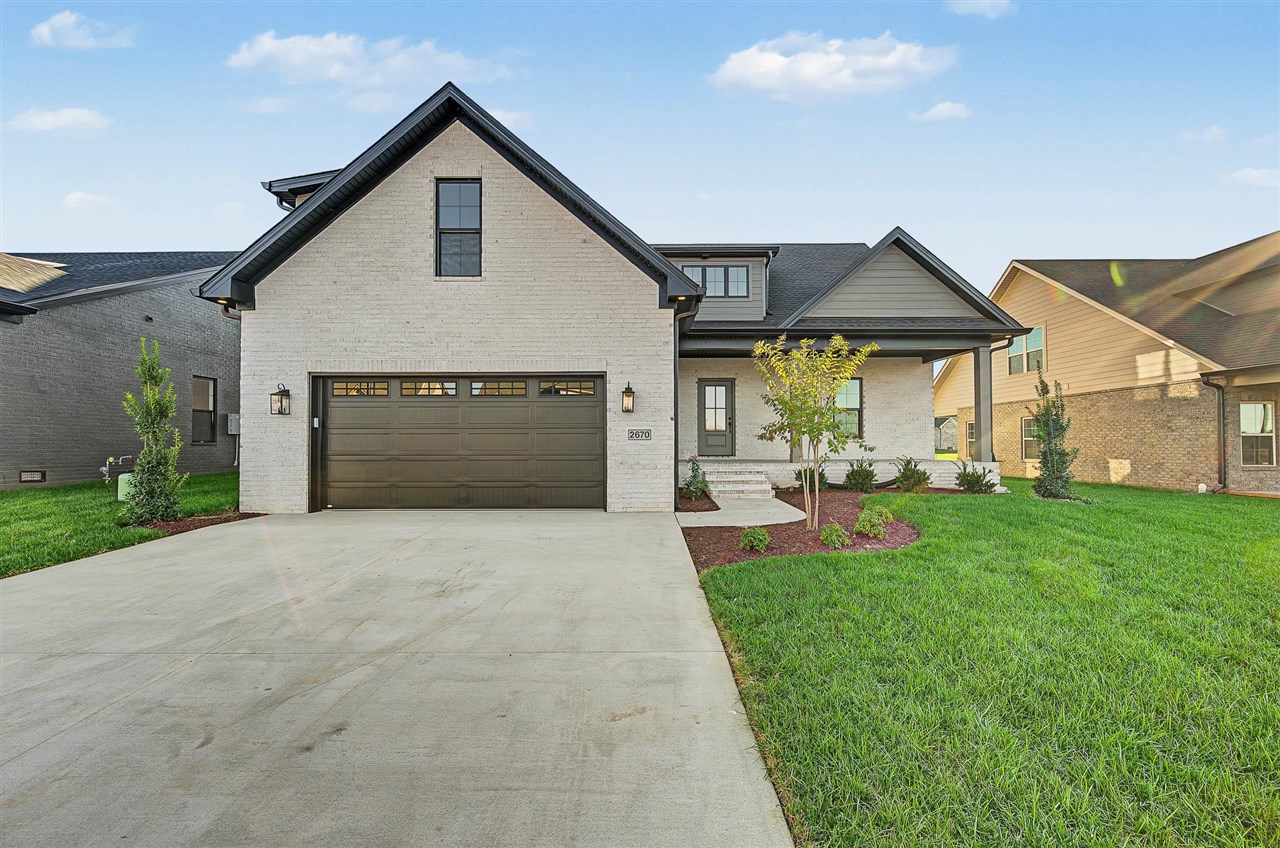
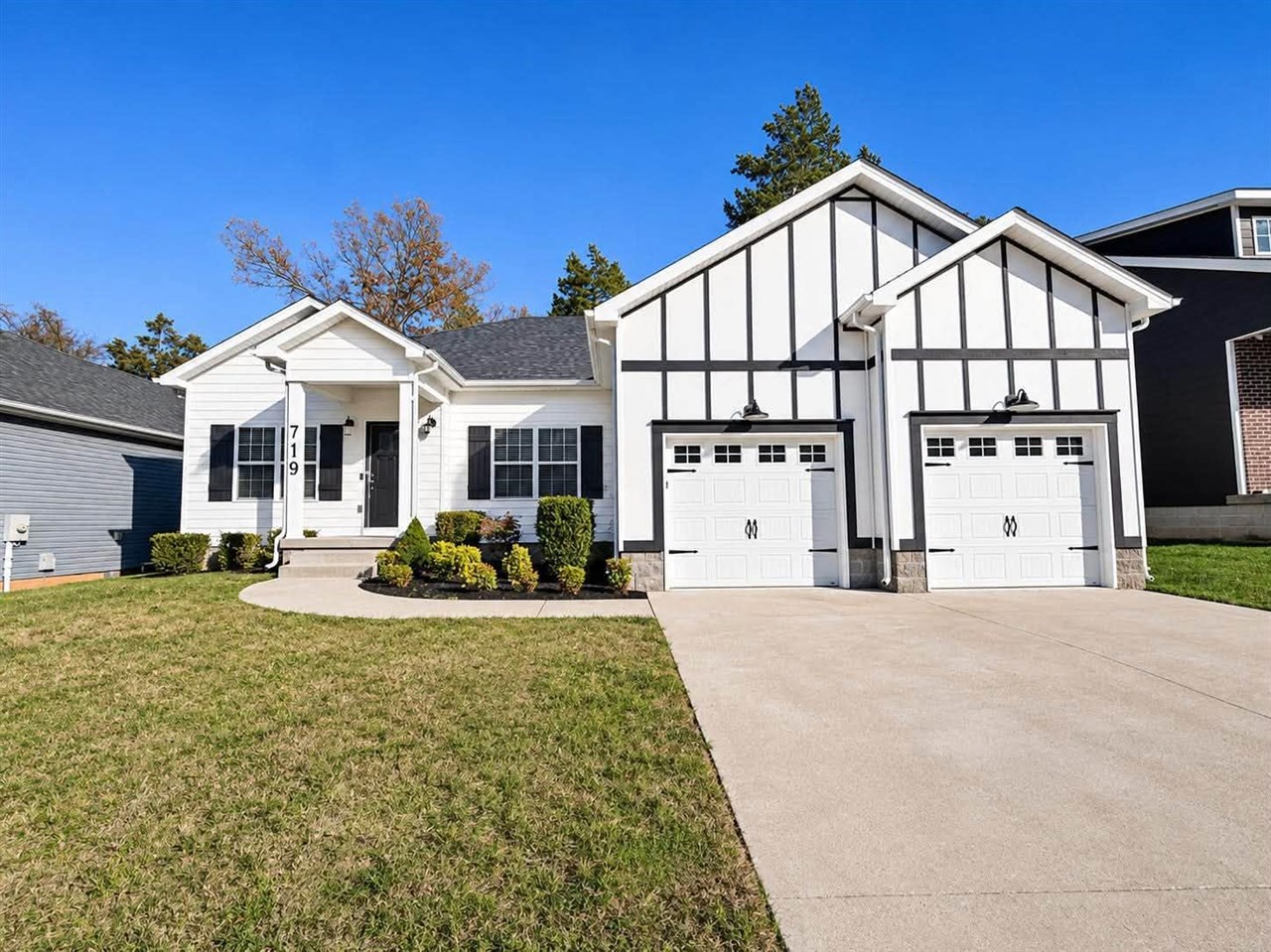
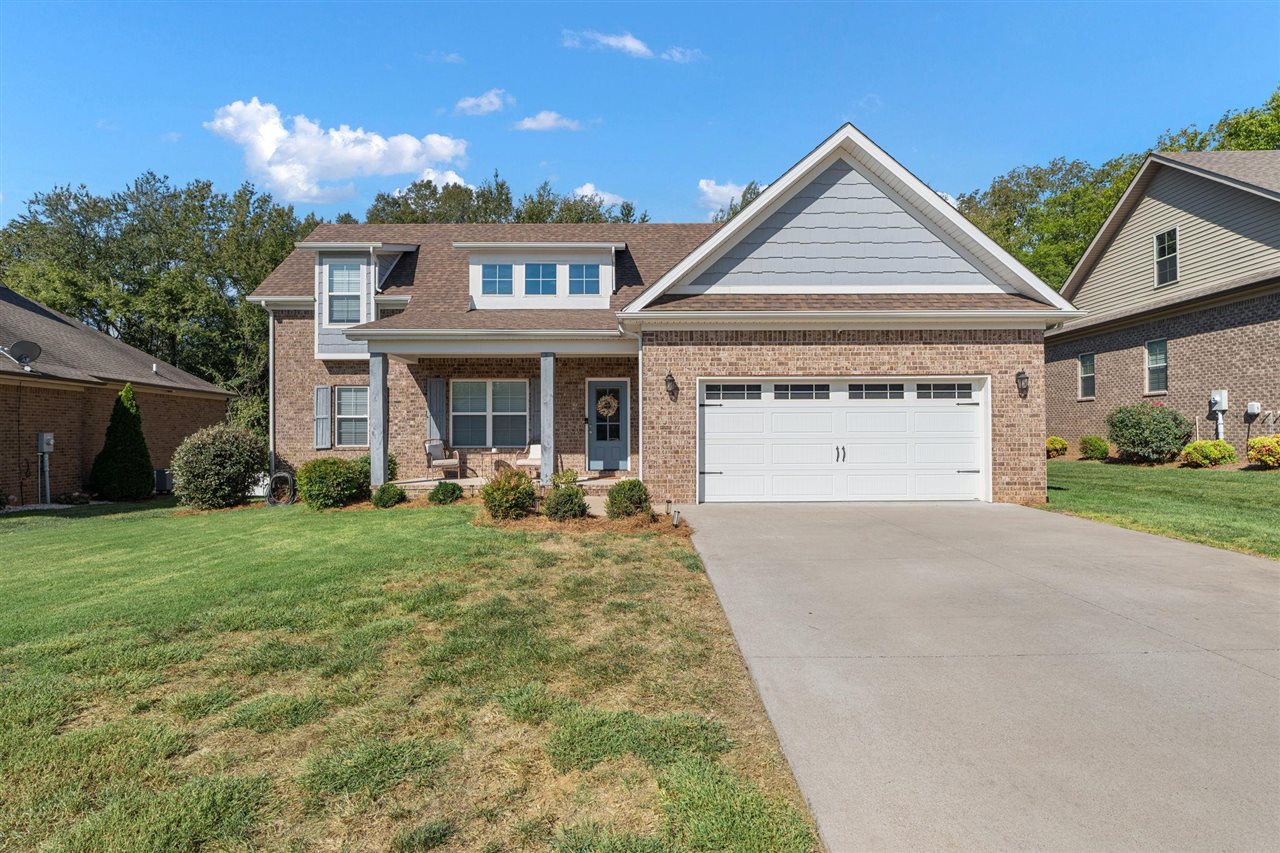
Nashville's median sale price gets thrown around at figures north of $460,000 to $500,000, which can make a first-time buyer feel like homeownership here is simply out of reach. But that median includes everything from downtown condos to Belle Meade mansions. The realistic starter-home tier in the Nashville metro — the bottom third of the market — has been running closer to $300,000–$340,000, and that's where most first-time buyers actually land, often in areas like Antioch, Madison, Clarksville, or parts of Murfreesboro and Spring Hill rather than right downtown.
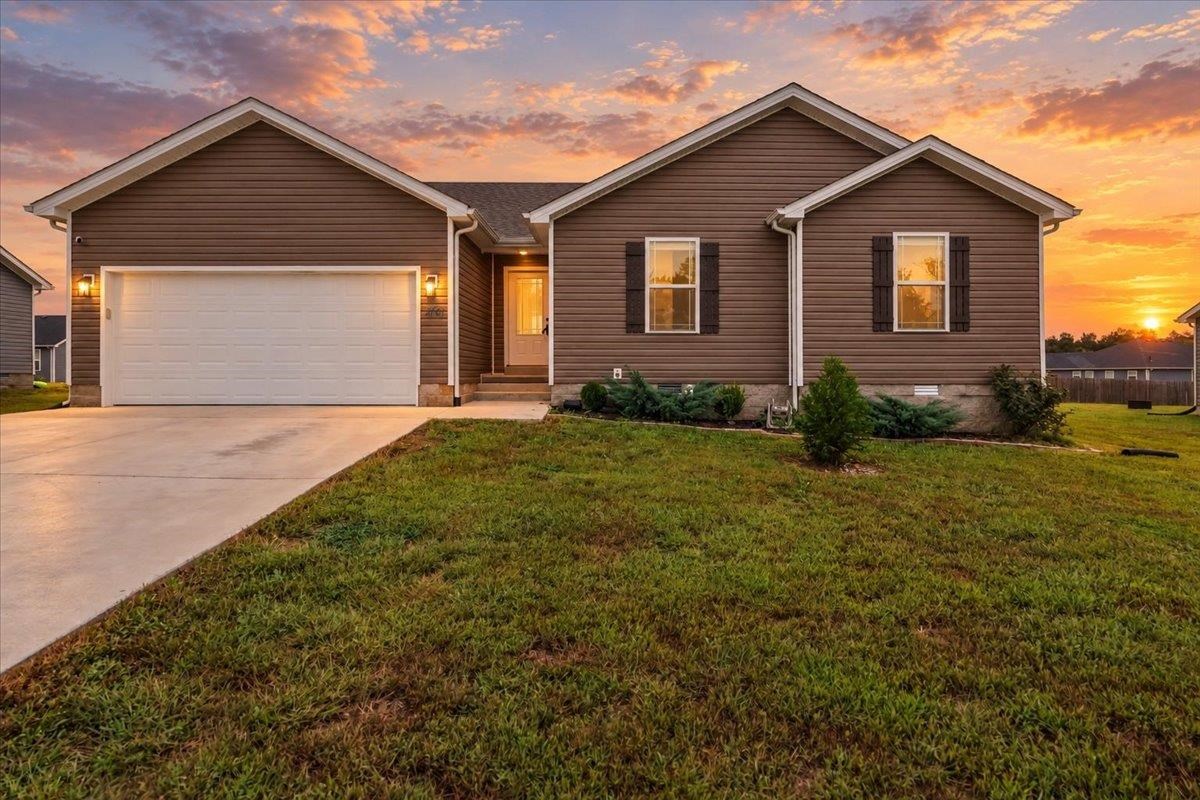
Bowling Green tells a friendlier story. The median sale price there has been running somewhere around $270,000 to $300,000 depending on the month, which puts a lot more inventory within reach of a first-time buyer's budget, especially with KHC assistance layered on top.
The point isn't to get discouraged by a headline number. It's to figure out what you actually qualify for and what's actually available in that range, which is a conversation worth having with your agent and lender before you ever open Zillow.
If you're trying to figure out what that number looks like for your situation specifically — whether that's Nashville, Franklin, Clarksville, Bowling Green, or somewhere more rural in between — text or call me and we'll run it together. No pressure, just numbers.
Budget past the down payment
The down payment gets all the attention, but it's rarely the only upfront cost that surprises first-time buyers. Plan for:
-
Closing costs, typically 2-5% of the purchase price, covering lender fees, title work, and taxes
-
Earnest money, usually 1-2% of the offer price, held in escrow to show you're serious
-
Home inspection, generally $350-$600 depending on the size of the home and whether you add radon or termite testing (both worth it in this region)
-
Homeowners insurance paid at closing, often a full year upfront
-
Moving costs, which people routinely underestimate by a few hundred dollars
None of these are optional, and all of them are things your lender should be walking you through in a Loan Estimate well before closing day. If a lender can't explain these line by line, that's a sign to find a different lender.
Think past the Pinterest board
First-time buyers often start house hunting with a wish list built from Pinterest rather than their actual life. Before you fall for granite counters and a soaking tub, think through commute time, school zones if that matters to you, and whether you actually want the maintenance that comes with a big yard or an older home.
I work with a lot of buyers moving into rural areas around Sumner, Robertson, and Warren counties specifically because they want space, quiet, and land — and that's a completely different search than hunting for a townhome in East Nashville. Both are good choices. They're just different choices, and it's worth being honest with yourself about which one you actually want before you start touring.
Don't skip the homebuyer education class
If you're using THDA or KHC assistance, a homebuyer education course is required — but even if you're not using either program, I'd still recommend one. They're usually free or cheap, a few hours online or in person, and they cover things like budgeting for ongoing homeownership costs and understanding your closing disclosure. It's a small time investment that pays off the first time your water heater dies in year two.
If you're thinking about buying your first home anywhere in Middle Tennessee or South Central Kentucky, I'd rather give you the real picture than a sales pitch. Call or text me at 615-349-7724, or shoot me an email, and let's figure out what you actually qualify for and what that looks like in the neighborhoods you're considering. No pressure, just straight answers.
Adam Hanes
Realtor® TN/KY
LPT Realty
615-349-7724
www.southernlivingnow.com