


A First Responder's Guide to Buying a Home in Middle Tennessee & South Central Kentucky

Before I ever held a real estate license, I held a pager. I spent years as a firefighter and EMT before I got into this business, and that's shaped how I work with every first responder client who calls me. I know what it's like to house-hunt around a 24/48 schedule, to have overtime and shift differential make your pay stub look nothing like your base salary on paper, and to have a lender ask you to “just send one more document” while you're trying to sleep off a night shift.
So when a police officer, firefighter, paramedic, EMT, or dispatcher reaches out about moving to or around Middle Tennessee or South Central Kentucky, I take it a little personally. There's real money on the table for you in this region that a lot of agents and lenders won't think to mention — and there are some parts of town that just make more sense than others when your schedule doesn't look like everyone else's. Here's what I'd want you to know.
Why This Region Makes Sense for First Responders
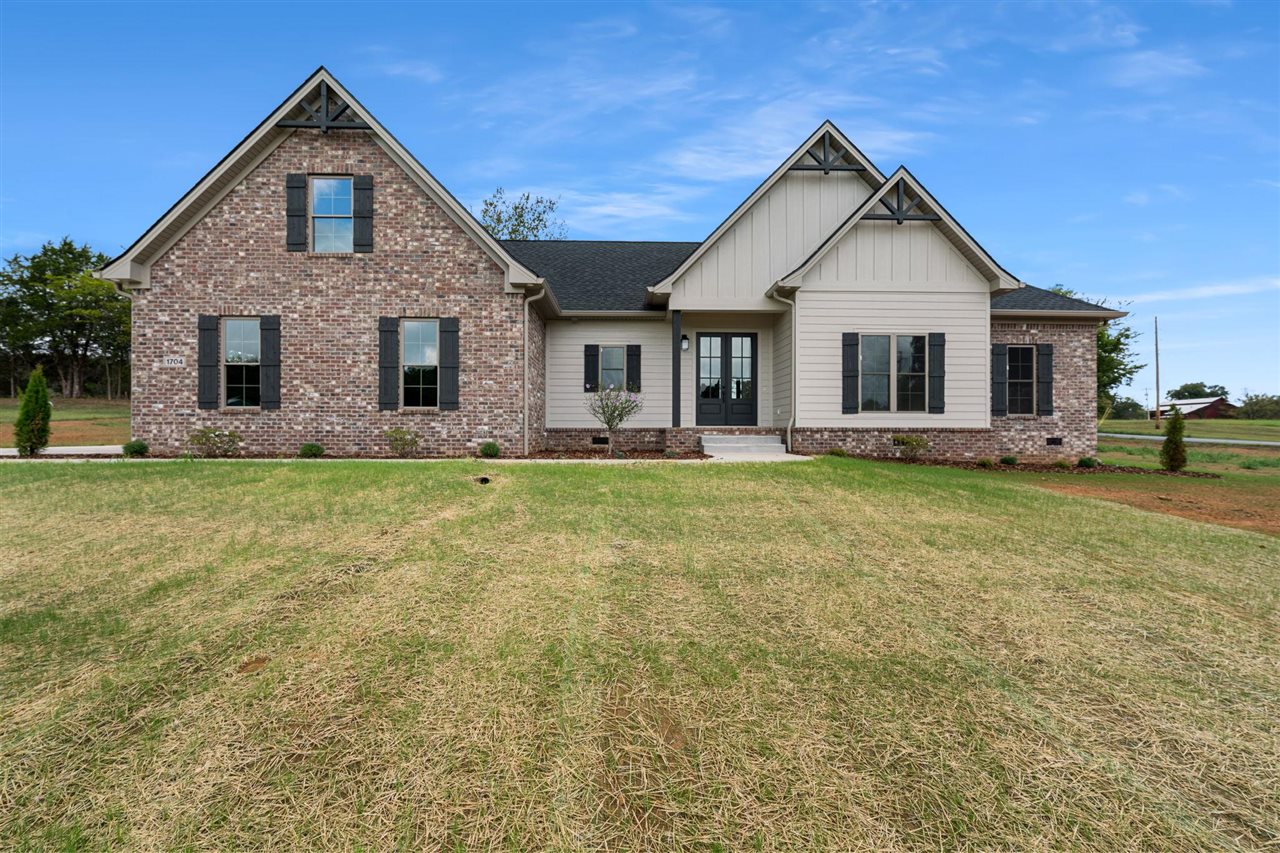
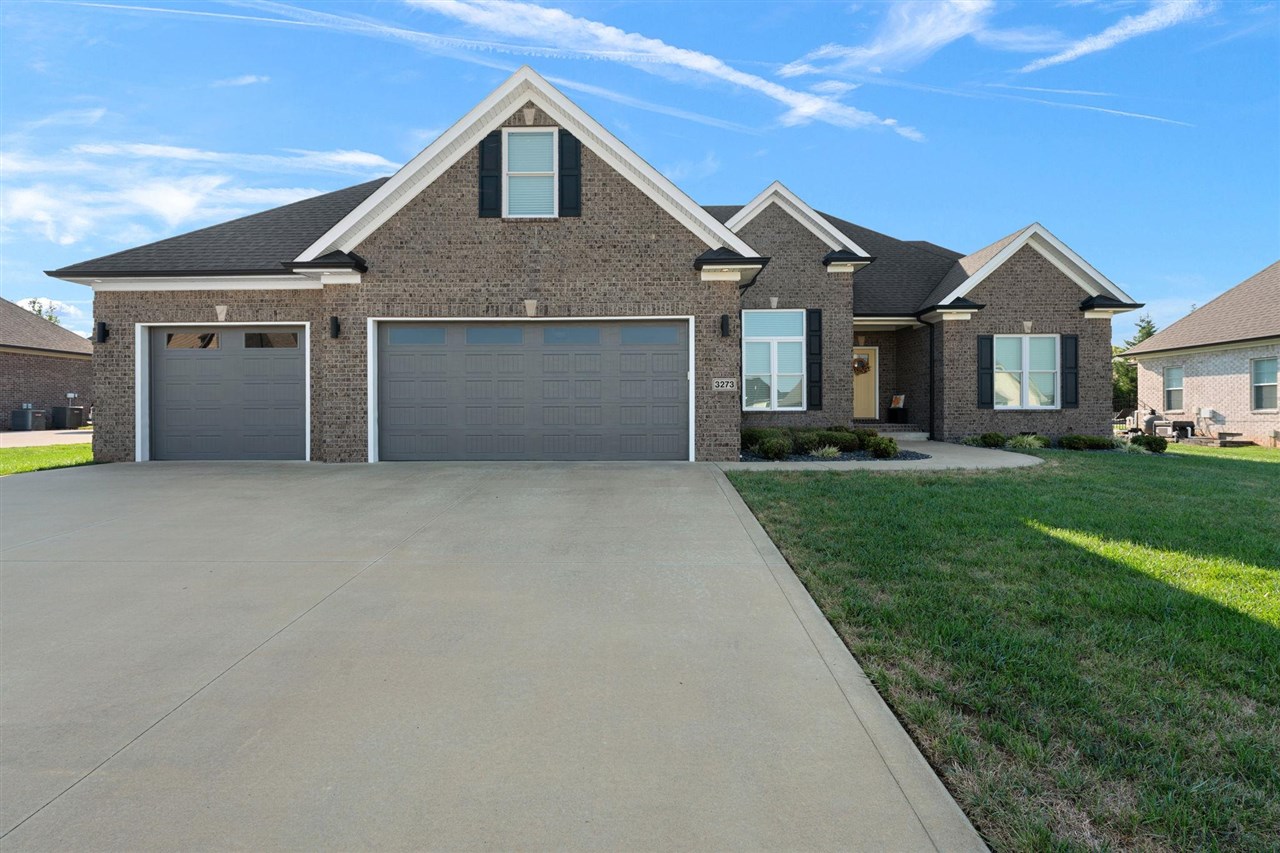
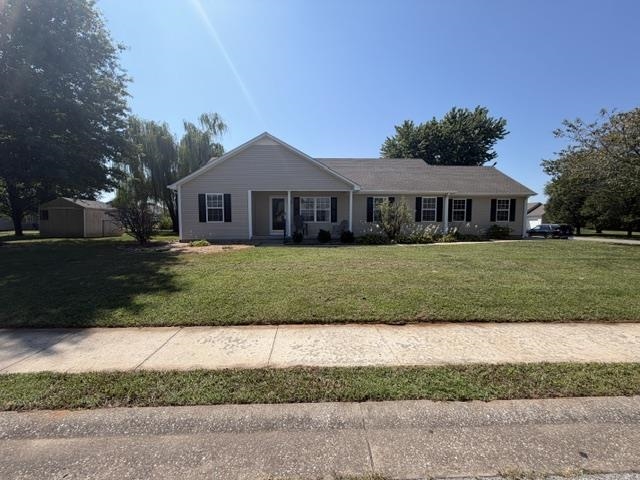
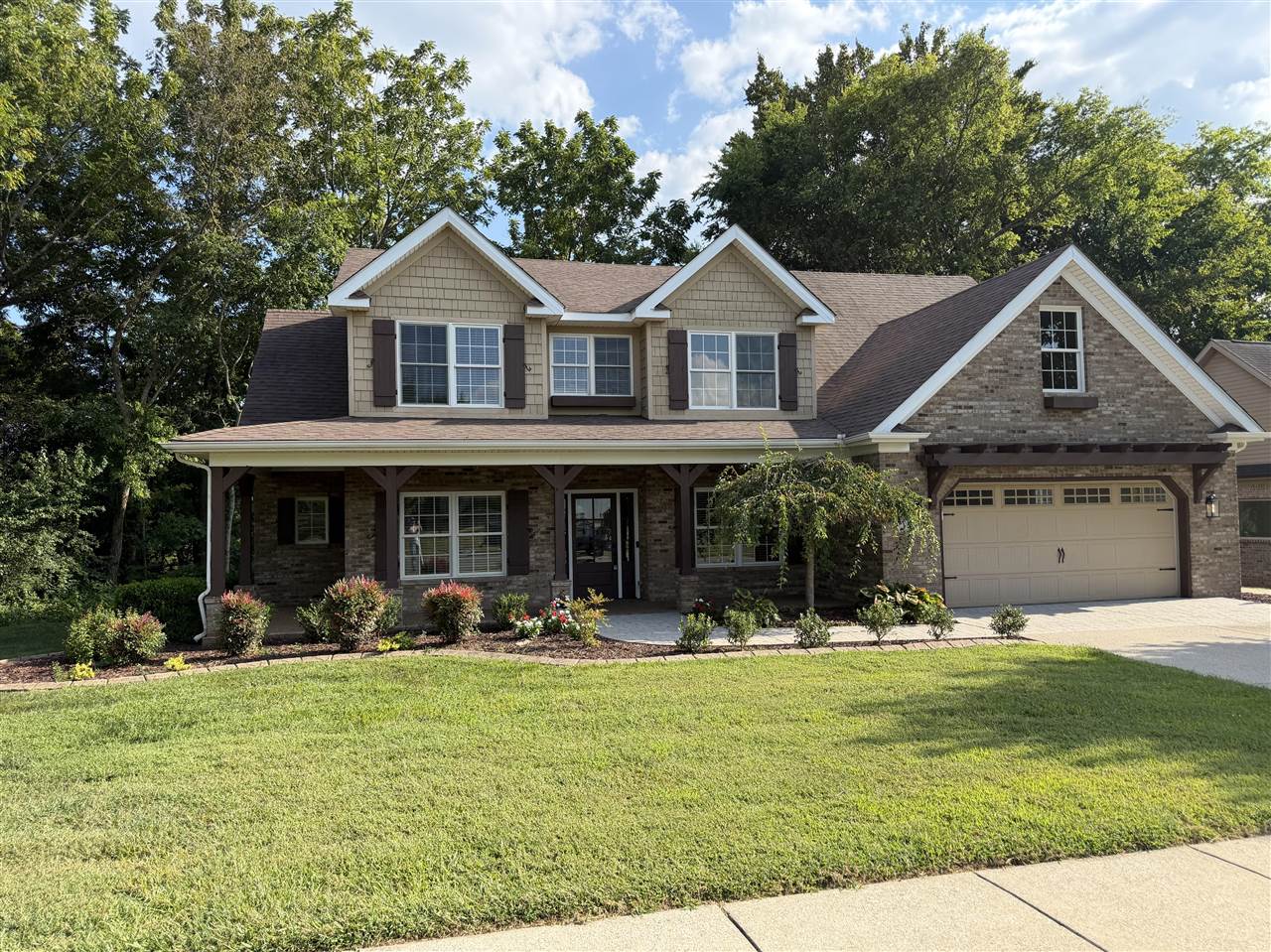
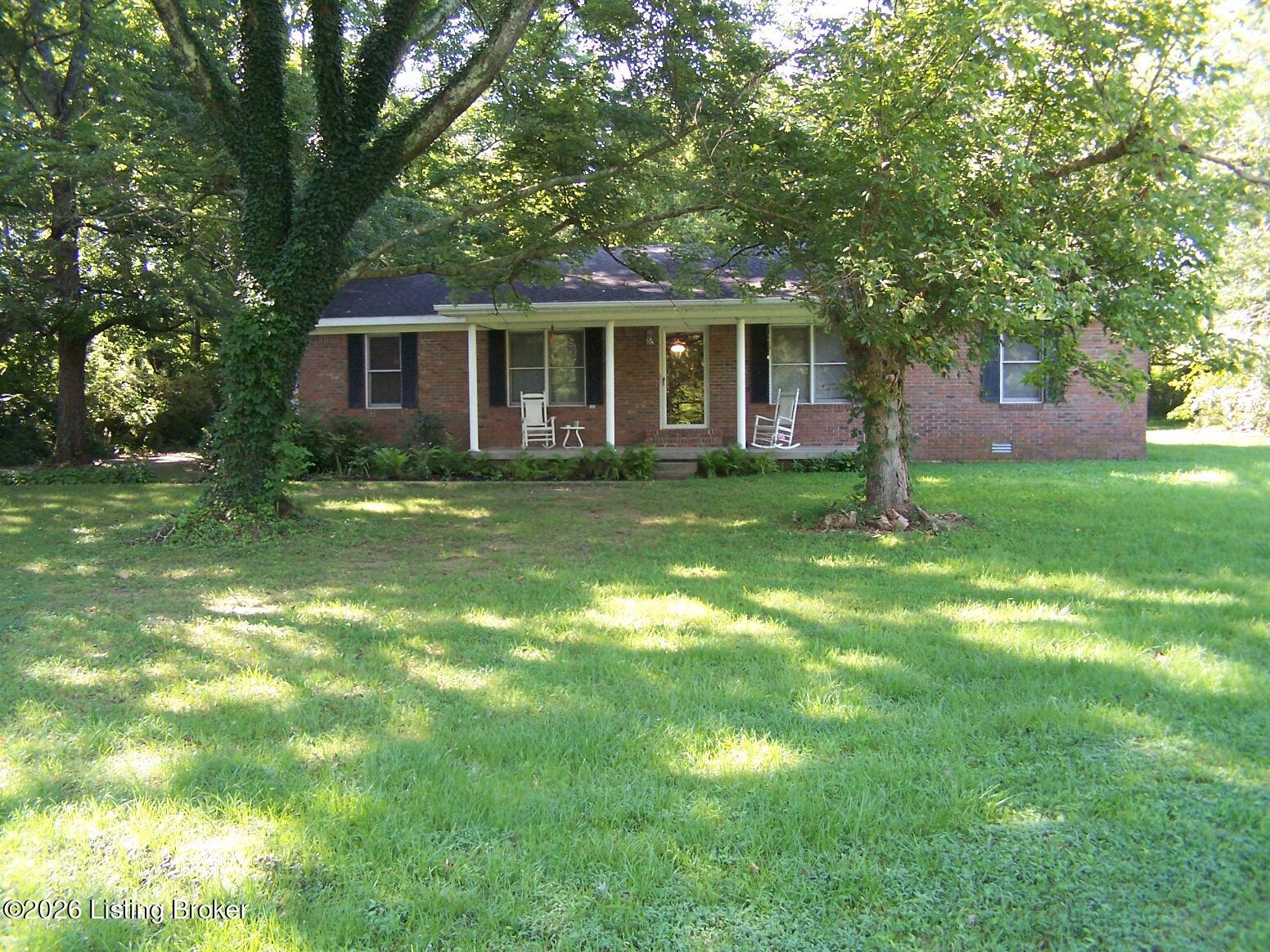
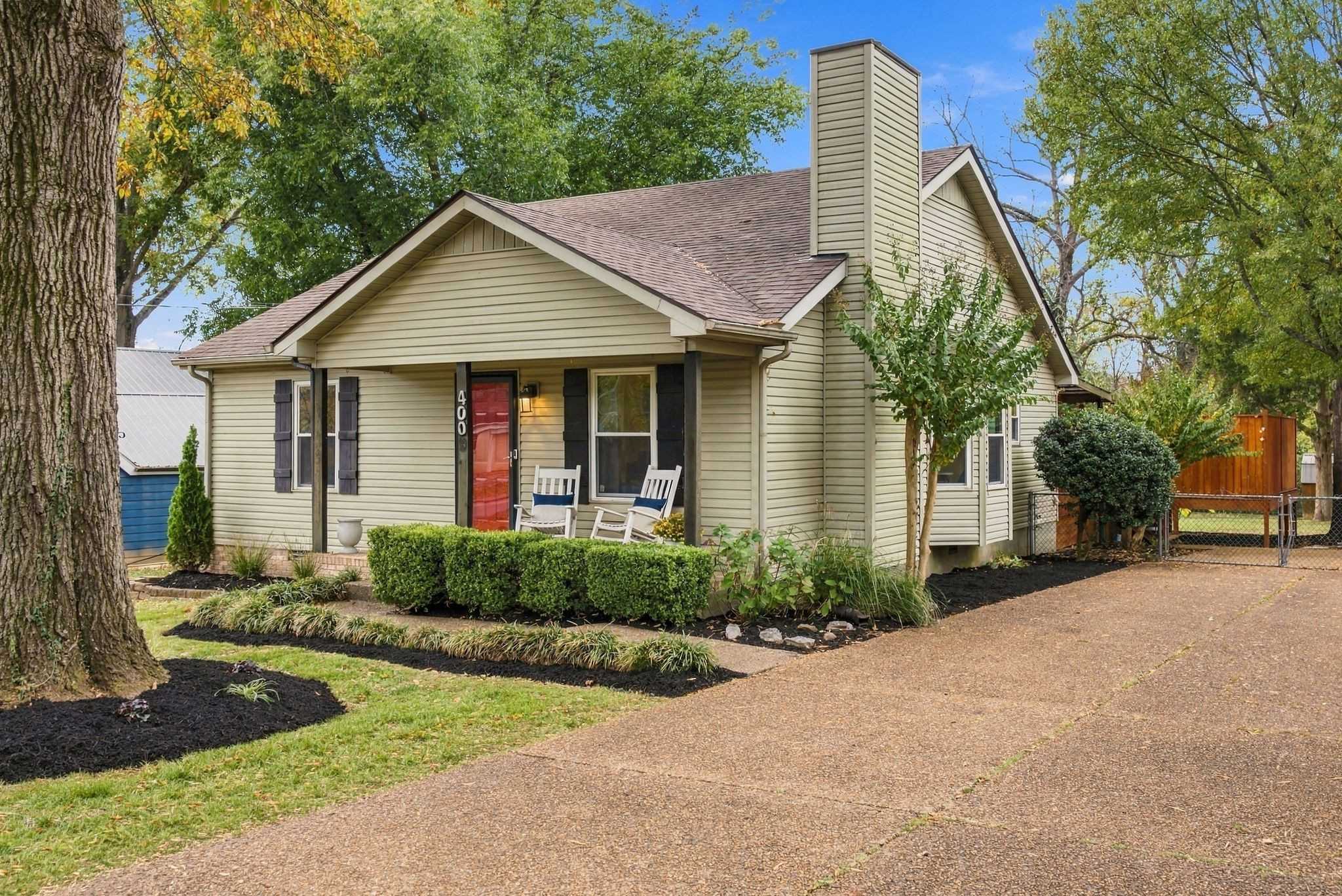
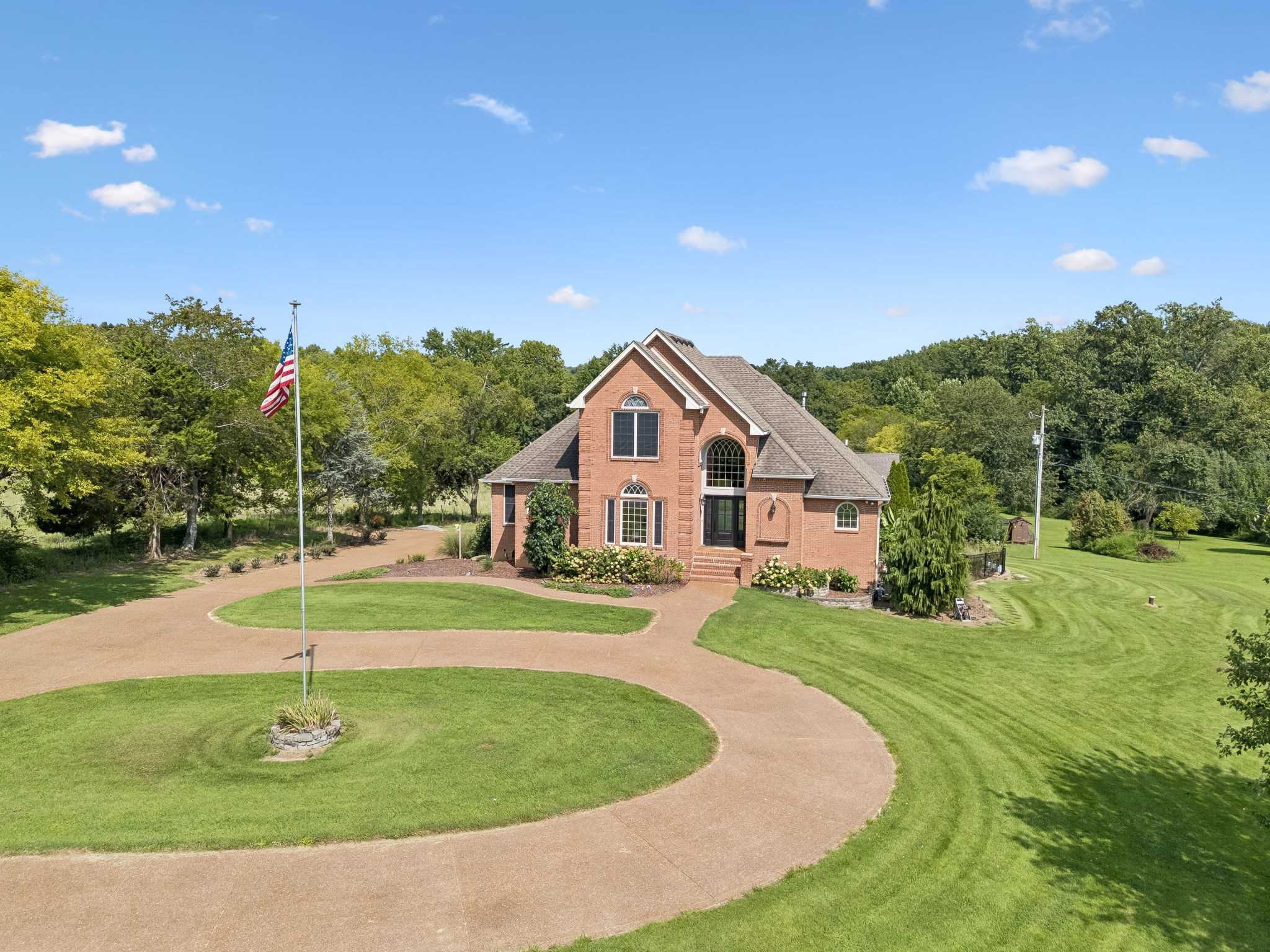
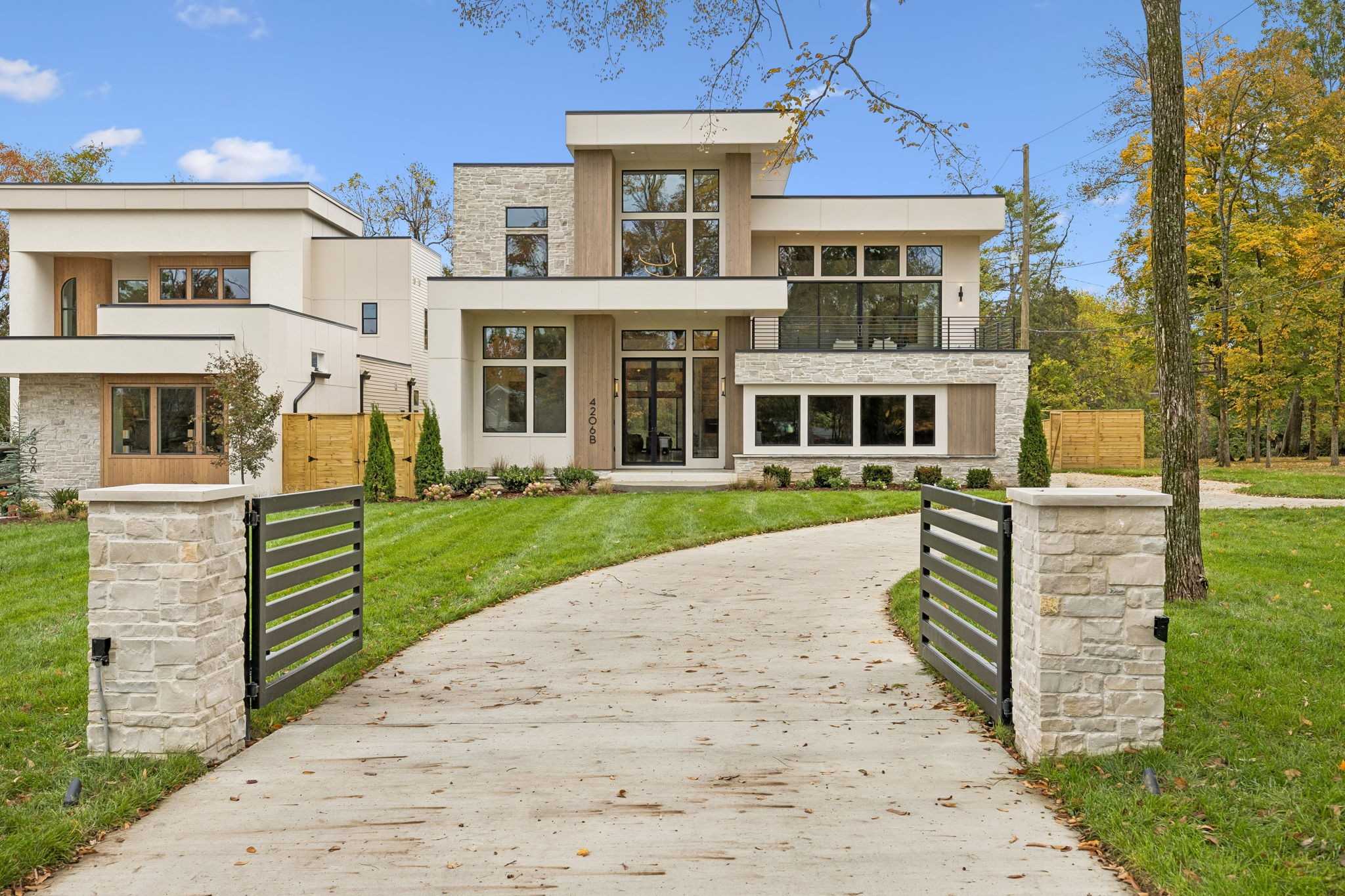
Nashville gets most of the headlines, but the real value for first responders is usually just outside it. Places like Murfreesboro, Smyrna, Spring Hill, and Hendersonville on the Tennessee side, and Bowling Green and the towns around it in South Central Kentucky, give you a shorter commute to a growing department, a lower price tag than the urban core, and neighborhoods that are still adding new schools, parks, and grocery stores rather than losing them.
It also helps that departments across the region have been actively trying to recruit and retain people like you. Nashville's fire and police departments have both raised starting pay in recent years specifically to compete for recruits — Metro paramedics now start above $70,000 before overtime and shift differential, and fire recruits start in the low $60,000s. Smaller departments in the surrounding counties are growing right along with the population. If you're relocating rather than starting fresh, that growth usually means more openings and more flexibility on where you land.
The Programs That Can Actually Save You Money
This is the part most buyers — first responders included — never get walked through, so I want to be specific.
Tennessee: THDA's Homeownership for Heroes. If you're a firefighter, paramedic, EMT, or state/local law enforcement officer buying in Tennessee, you can qualify for a 0.5% interest rate reduction on THDA's Great Choice loan through the Homeownership for Heroes program. Pair that with Great Choice Plus, and you can also get down payment and closing cost assistance worth up to 5% of the purchase price (capped at $15,000). On a home in the mid-$400,000s — not far off Murfreesboro's current median — that rate reduction adds up over the life of a 30-year loan, and the down payment help can be the difference between buying this year or waiting two more.
Kentucky: down payment assistance without a profession requirement. Kentucky Housing Corporation doesn't carve out a program specifically for first responders the way Tennessee does, but its regular Down Payment Assistance program is available to KHC-eligible buyers and currently offers up to roughly $10,000–$12,500 toward your down payment and closing costs. If you're a veteran or active military on top of your first responder career, KHC's Operation KY Home layers additional benefits in. It's worth asking your lender to run both.
Nationwide: HUD's Good Neighbor Next Door. This one's a longer shot because inventory is limited to specific HUD-owned homes in designated revitalization areas, but it's worth knowing about — full-time law enforcement officers, firefighters, and EMTs can buy eligible properties at 50% off the list price, in exchange for living there as your primary residence for three years. I keep an eye on what's available locally and will flag it if something fits.
Homes for Heroes. This is a national network of real estate agents, lenders, and title companies who give back part of their fee to first responders, teachers, military, and healthcare workers at closing — the program reports average total savings in the $3,000–$6,000 range when you both buy and sell through it. It's not a replacement for the state programs above, it stacks with them, and I'm happy to walk you through whether it makes sense for your deal.
None of these are secret, exactly — but I've met a lot of first responders who closed on a house without ever hearing about any of them. If you're even thinking about buying in the next year, it's worth a conversation before you're under contract, not after.
If you want to see how any of this actually plays out on a specific property, or just want someone to run the numbers with you before you talk to a lender, text or call me at 615-349-7724. No pressure, no sales pitch — just a straight answer.
Where to Look When Your Schedule Doesn't Look Like Everyone Else's
Shift work changes how you should think about a commute. Twenty extra minutes doesn't sound like much until it's 5:45 a.m. and you're driving home after a 24-hour shift. A few areas that tend to work well for first responders in this region:
-
Murfreesboro and Smyrna, TN — Both have their own growing EMS and fire presence as Rutherford County has added stations to keep pace with growth, reasonable commutes into Nashville if that's where you're assigned, and a median home price that's still meaningfully below what you'd pay closer to downtown.
-
Spring Hill and Hendersonville, TN — Good options if your department is on the south or north side of the metro, with newer housing stock that tends to need less immediate work — a real consideration when your days off are limited.
-
Bowling Green, KY — The largest city in South Central Kentucky, with a median home price still in the high-$200,000s to low-$300,000s — well under what a comparable home runs in Nashville. Warren County's growth has meant steady hiring for both the Bowling Green Police and Fire Departments and the Warren County Sheriff's Office.
-
Franklin, KY and the smaller towns along I-65 — Worth a look if you work in Bowling Green but want more land or a quieter setting, with an even lower price point and an easy shot up the interstate.
I'm happy to send you a side-by-side of commute times from any specific station or precinct you're looking at — just tell me where you're headed.
A Few Things I Tell Every First Responder Client
A couple of practical notes that come up almost every time:
-
Overtime and shift differential count, but document them early. Lenders generally want a two-year history to use overtime or holiday pay toward your qualifying income. If you've only recently picked up extra shifts, start saving those pay stubs now.
-
Tell your agent your actual schedule, not just “flexible.” If you work 24s, I'd rather know your exact on/off rotation up front than try to schedule a showing around a shift you just got called into.
-
A conventional loan isn't always the cheapest option. Between the rate reduction from Homeownership for Heroes, VA eligibility if you served before this career, and down payment assistance, the “normal” loan is rarely the best deal for someone in your position. It's worth the extra ten minutes to compare.
If you're a first responder thinking about a move to Middle Tennessee or South Central Kentucky — or you're already here and just haven't found the right house yet — I'd genuinely like to help. Shoot me a text, give me a call, or just reply and tell me what you're working with. I've been where you are, and I'll give you the same straight answer I'd want if the roles were reversed.
Adam Hanes
REALTOR® TN/KY · LPT Realty
615-349-7724 · www.southernlivingnow.com